
 |
| Source |
The summary below highlights key information about New World screwworm, along with a link to additional resources if you would like to learn more. Early detection, proper wound care, and timely veterinary treatment are essential for protecting the health of horses and other livestock.
New World Screwworm: Prevention and Treatment Options
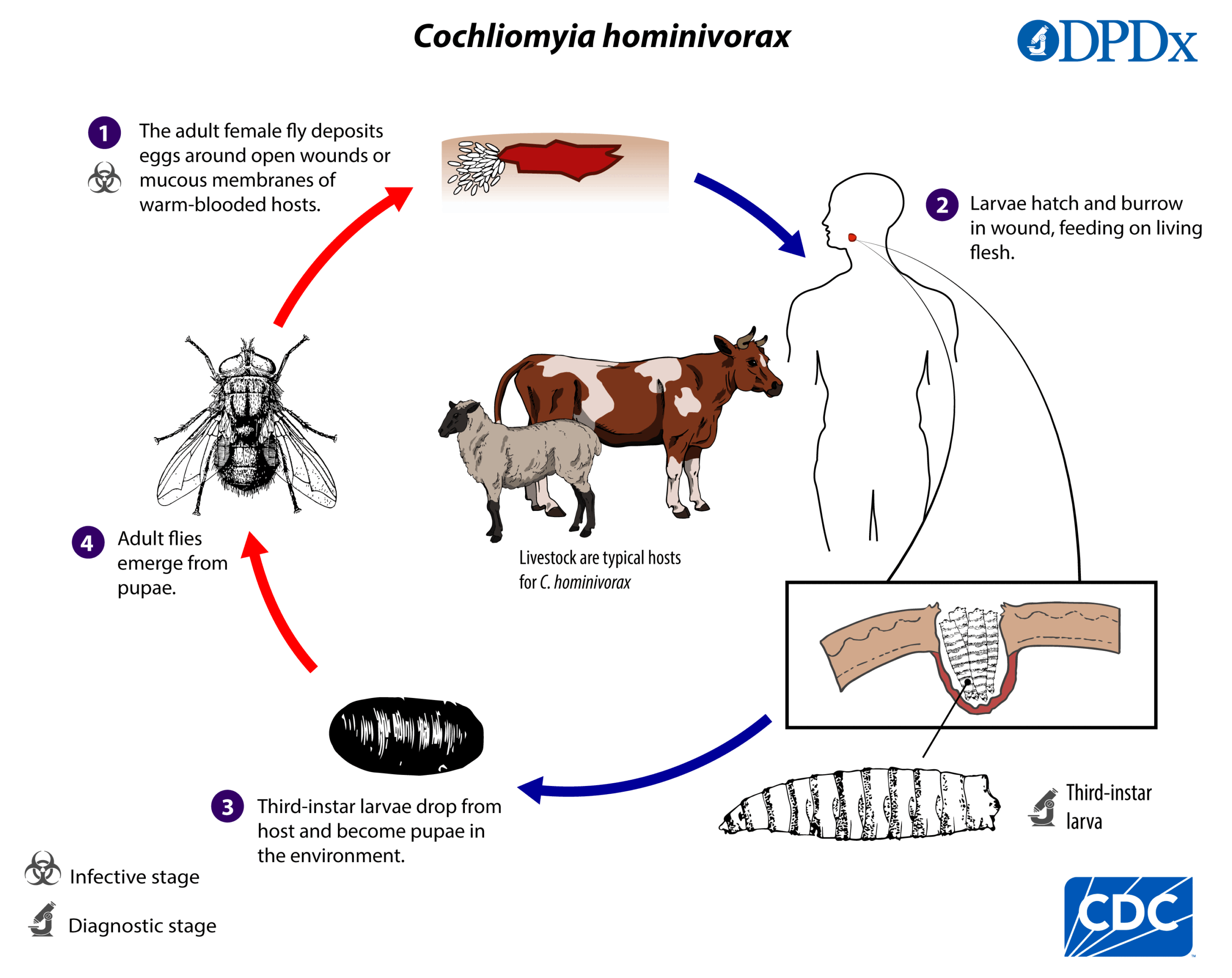
- New World screwworm is a parasitic fly whose larvae feed on the living tissue of warm-blooded animals, creating painful and potentially life-threatening wounds.
- Horses and other livestock are at risk when they have open wounds, including injuries, surgical incisions, or umbilical sites in newborn animals.
- Early signs include wounds that fail to heal, drainage, foul odor, swelling, and the presence of visible larvae in the affected tissue.
- Prevention focuses on prompt wound care, regular inspection of animals, fly control measures, and restricting animal movement from affected areas when appropriate.
- Immediate veterinary treatment is essential to remove larvae, clean the wound, administer appropriate medications, and report suspected cases to animal health authorities because New World screwworm is a reportable disease.
American Association of Equine Practitioners. (2026). New World screwworm: Prevention and treatment options. https://aaep.org/guidelines-resources/new-world-screwworm/

No comments:
Post a Comment